FROM BYSTANDER TO LIFESAVER
When bleeding is uncontrolled, minutes decide life or death.
Waiting is not an option.
Action is.
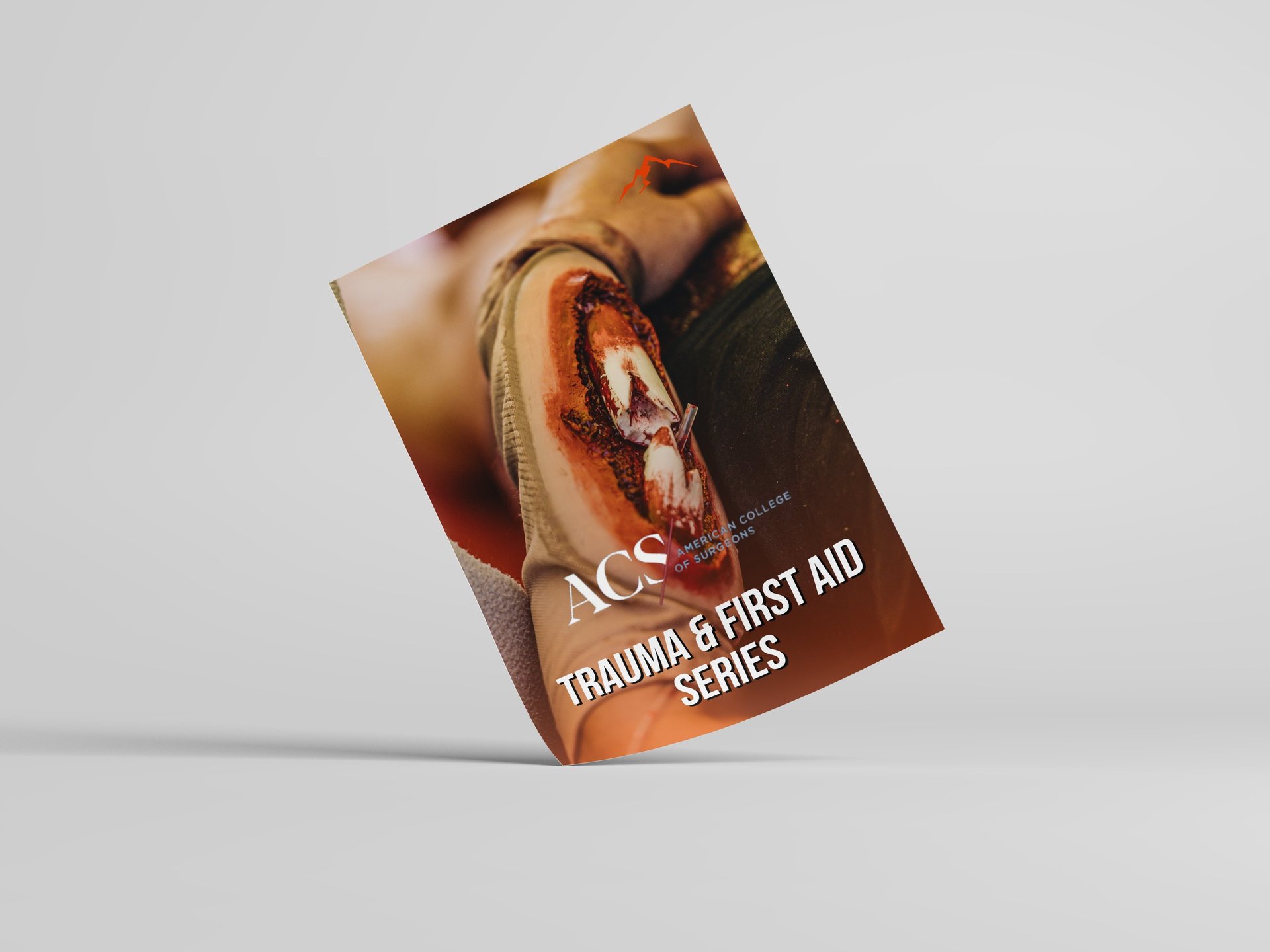
The Trauma and First-Aid Series prepares you to step forward when others freeze.
It is built on the same principles that power American College of Surgeons trauma education worldwide.
You learn simple actions that change outcomes.
You train to act before systems arrive.

Globally Recognized Certification
Training carries real value only when it is understood and respected beyond the classroom. The Trauma and First-Aid Series is built on internationally accepted trauma education standards, with most courses certified by the American College of Surgeons.
These courses follow structured curricula and assessment frameworks that reflect how trauma care is practiced across systems worldwide. Completion of training represents demonstrated competence aligned with global trauma principles, not simply course attendance.
This certification allows your skills to remain relevant across organizations, roles, and regions. It provides a shared technical language that supports clear communication and trusted performance wherever you work.
Certification is not about the document you receive. It is about credibility that travels with you.
Certified by
American College of surgeons

SHAPED BY EXPERIENCE. BACKED BY STANDARDS.
Trauma and first-aid care did not evolve by chance. It developed through decades of field experience, clinical research, and lessons learned in environments where help is delayed and decisions carry real consequences. The Trauma and First-Aid Series is built on those same foundations, drawing from systems that have been tested under pressure and refined through real-world use.
Key courses in this series align with nationally and internationally recognized frameworks, including Stop the Bleed, an official program of the U.S. Department of Defense, delivered through education standards supported by the American College of Surgeons. These programs focus on early intervention, bleeding control, and decisive action in the first critical moments after injury.
Behind these training standards sits a broader scientific foundation shaped by ongoing research, clinical practice, and professional dialogue. Global trauma education continues to evolve through evidence, outcomes, and field experience. This series reflects that progression, translating proven knowledge into training that is practical, current, and relevant.
What you learn here is not improvised. It is grounded in standards that are recognized, trusted, and designed to work when it matters most.
Pedagogy
This training is built for performance, not theory.
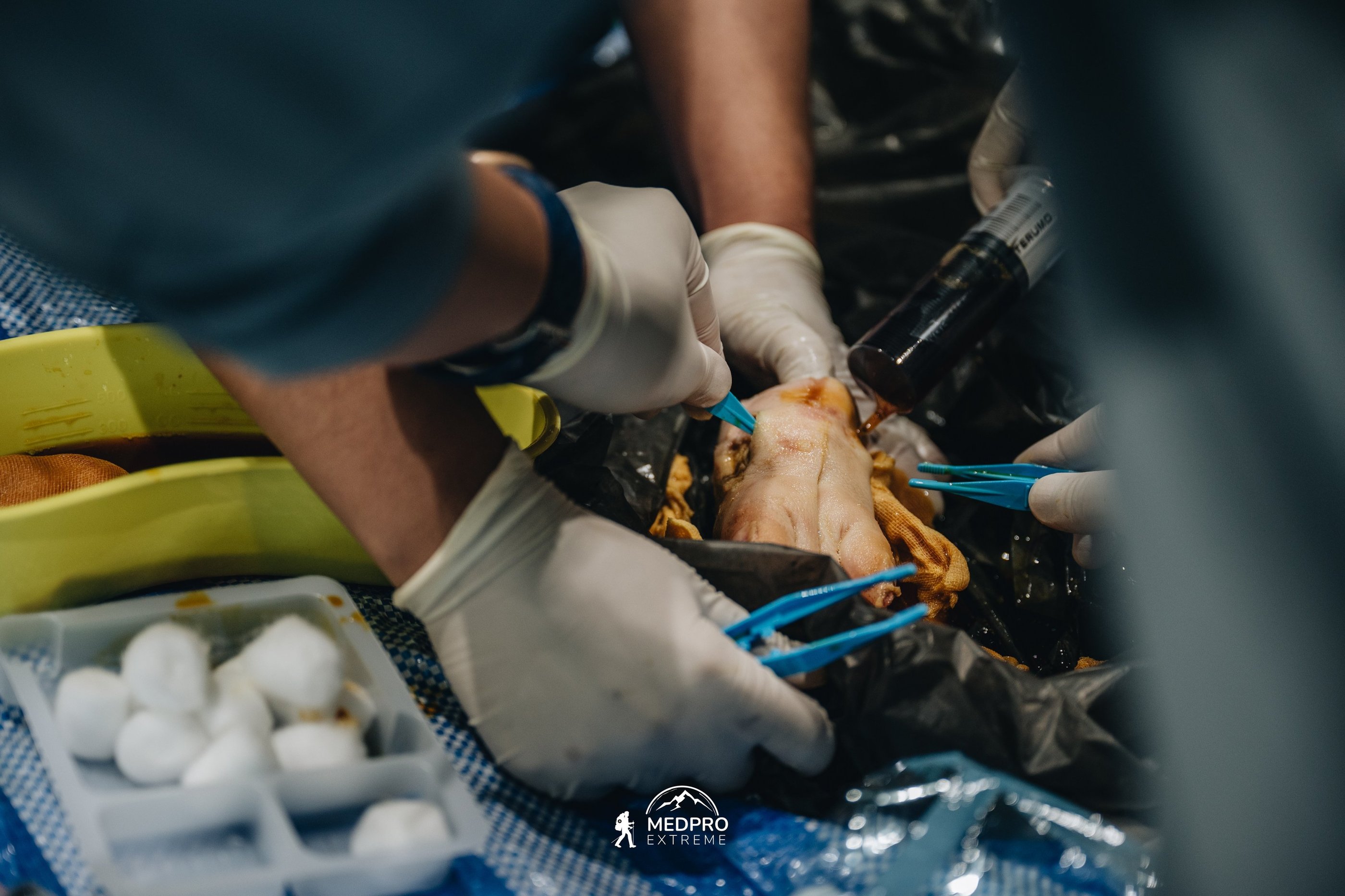
You learn through doing.
The classroom time stays focused.
Instructors demonstrate skills clearly.
Then you practice, repeat, and apply those skills in realistic situations.
Scenarios are used to build judgment.
You train to recognize problems, make decisions, and act while managing time, noise, uncertainty, and limited tools.
Feedback is direct and immediate.
You do not leave with vague understanding.
You leave knowing what you can do and what you should do first.
What You Will Learn
You will learn to recognize life threats early and respond with clear priorities. You will build the ability to assess quickly, decide fast, and take actions that change outcomes.
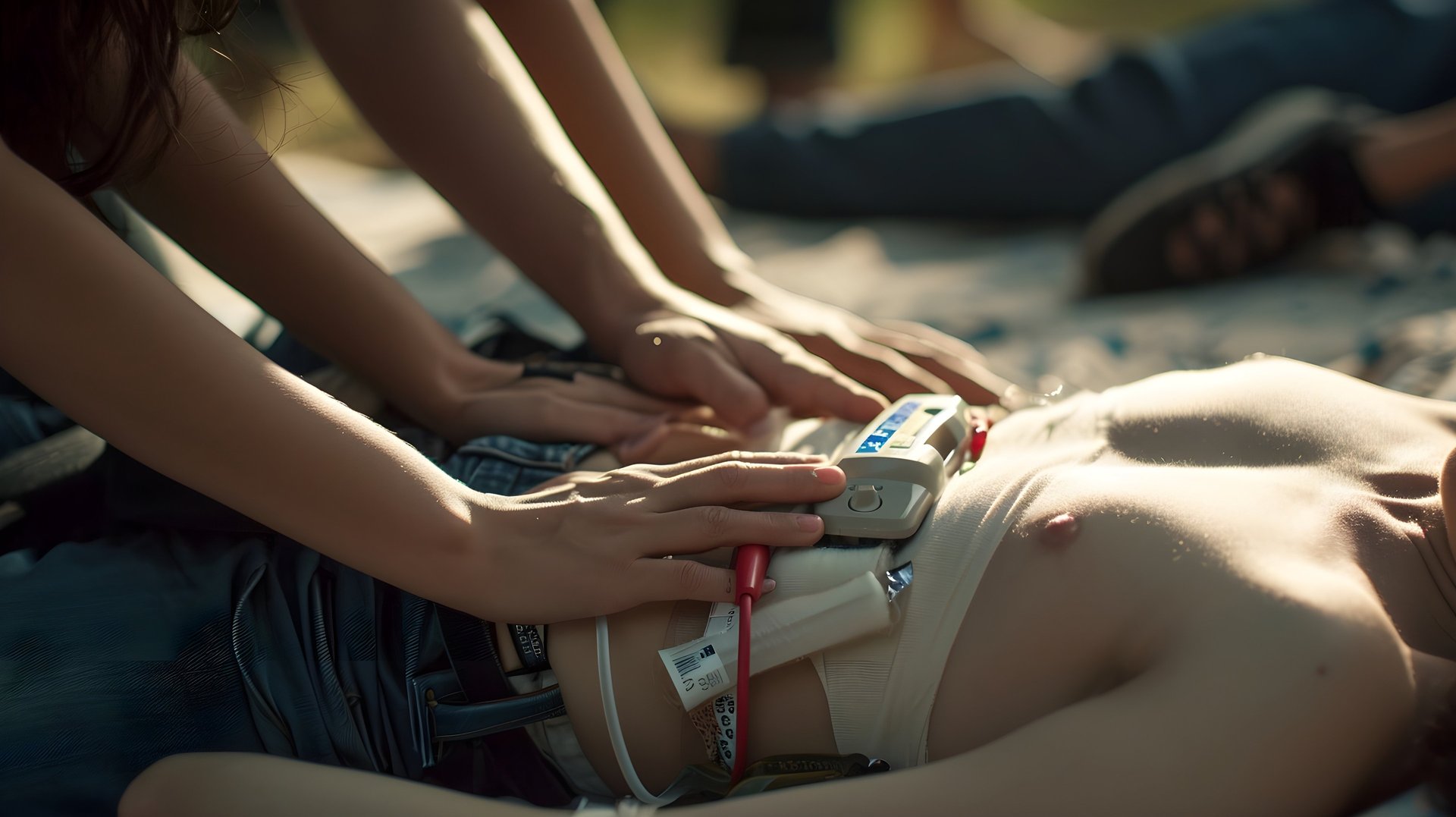
You will learn how to control severe bleeding using practical tools and techniques that are designed for real-world use. You will understand when to escalate to higher-level actions and how to avoid delays that cost time.
You will learn how to support airway and breathing in the early phase and how to identify signs that demand urgent action. You will also learn how to reduce preventable deterioration while waiting for transport or higher care.
You will learn how to prevent shock from progressing through early interventions, patient positioning, temperature protection, and smart decisions about what matters now versus later.
You will learn how to communicate during emergencies in a way that improves teamwork and speeds up care. That includes clear task assignment, patient updates, and structured handover to EMS or hospital teams.
Most importantly, you will build judgment.
You will learn how to stay calm, act with purpose, and lead the first critical minutes.
WHERE EARLY ACTION MATTERS
These skills apply where trauma actually happens.
Not only in clinical environments.
They apply in workplaces where injuries occur before medical teams arrive.
They apply in schools and public venues where staff must lead response.
They apply in events, travel, sports, and community settings where seconds matter.
This training helps you act in the real world, with real limitations.
Noise, stress, crowds, limited equipment, and delayed transport are part of the environment.
The series prepares you for that reality.
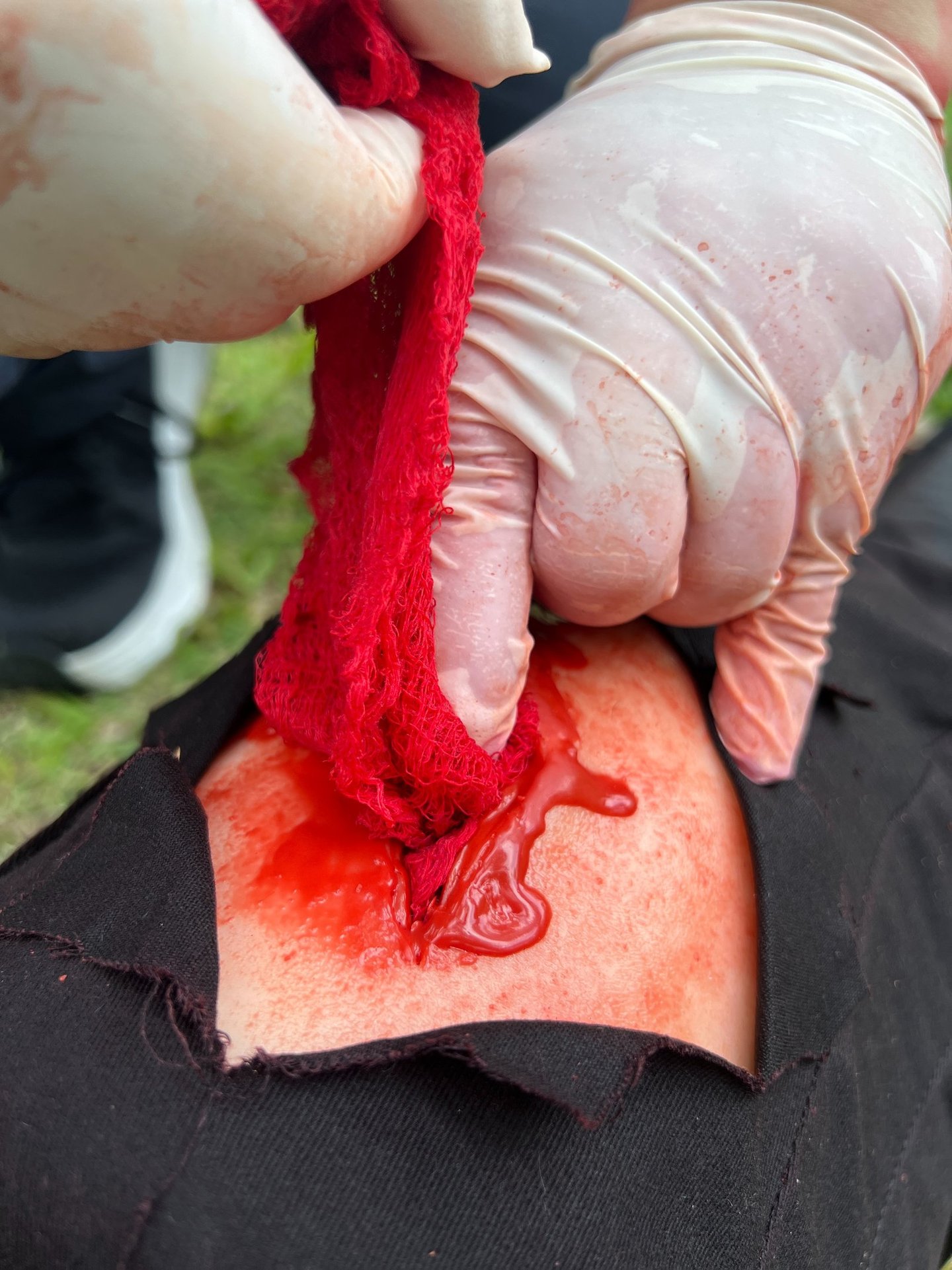
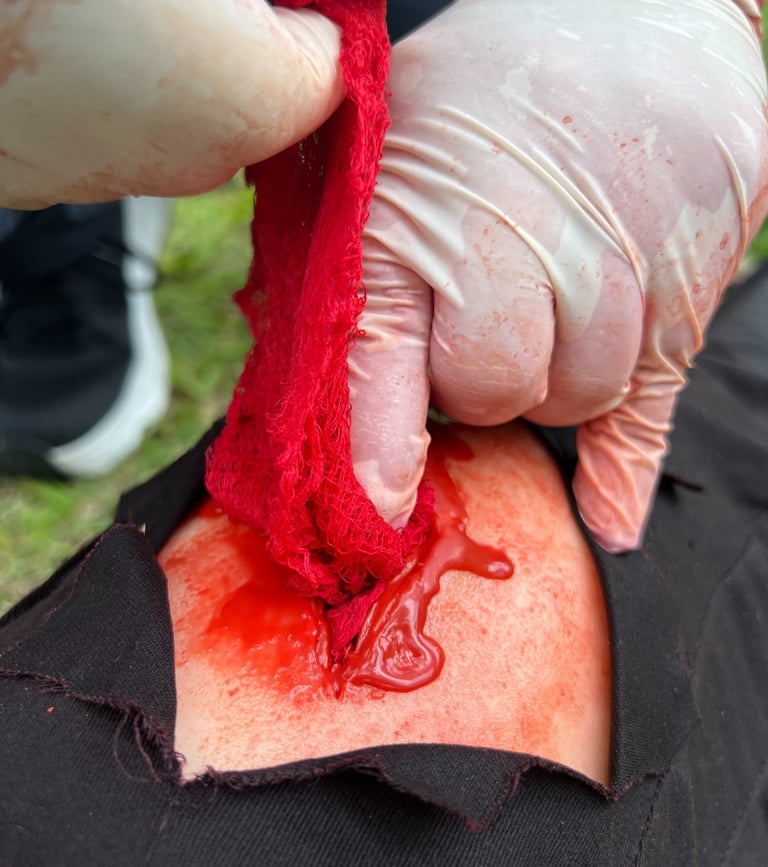
RECOGNIZED TRAINING, REAL EXPECTATIONS
It reflects completion of structured training with required performance expectations.
Your certification supports credibility in professional environments and builds trust in organizations that require recognized training frameworks.
For teams, it creates a shared standard.
Everyone trains with the same priorities, the same language, and the same expected actions.
For individuals, it provides proof of competence that remains relevant beyond one job, one region, or one system.
WHAT YOU DO FIRST MATTERS
To reduce harm early.
To stabilize before help arrives.
“Is This Right for Me?”
Trauma and first-aid training is often seen as something reserved for professionals. In reality, trauma happens wherever people live, work, and gather. This series is designed for moments when injury occurs before help arrives and someone nearby must act.
this series is accessible to people without a medical background. If you are responsible for others at work, involved in events or public spaces, or simply want to be prepared to act when something goes wrong, this training provides structure and clarity. It builds confidence to step in, control the situation, and make a difference when conditions are not ideal.
If you have ever asked yourself whether you would know what to do in a real emergency, this series exists to answer that question.
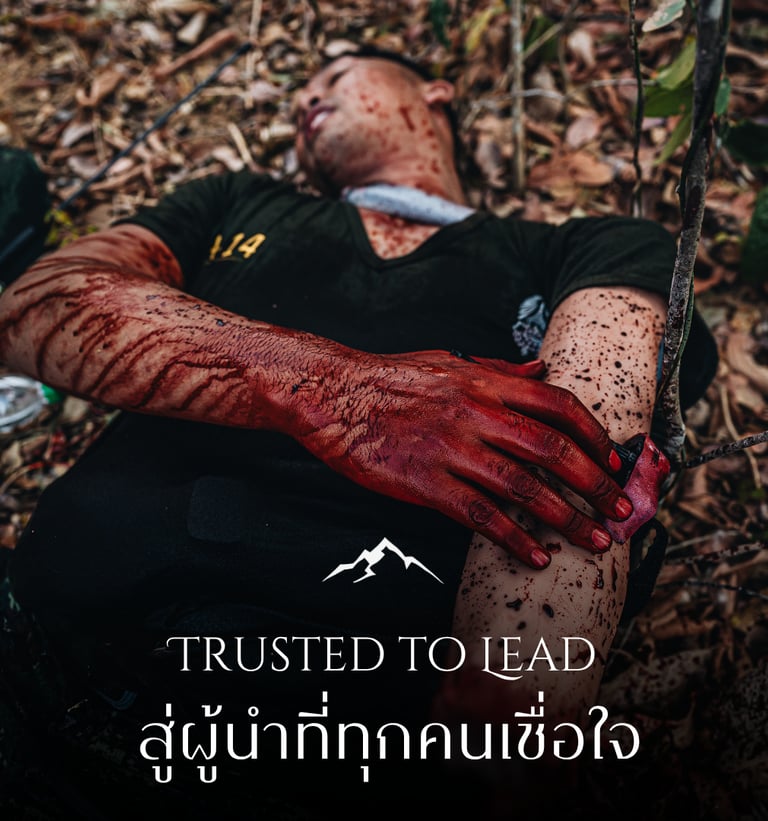
Other Courses
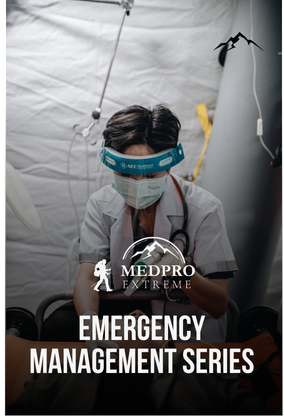
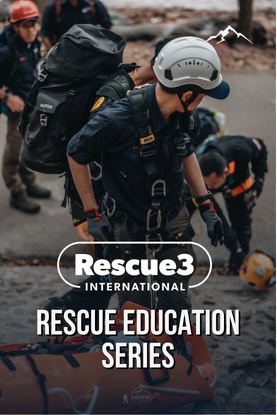
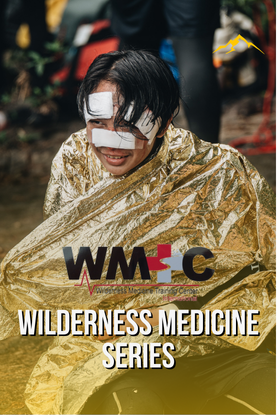
Four International curriculum series.
Built for real operations. Scaled for teams.

TRAINING PROGRAMS
STAY WITH US
Company
Resources
PRIVATE & GROUP TRAINING
Brand & Standards
Our Instructors
Testimonials
FAQs
Media & Gallery
In-House Training
Private Group Courses
Corporate & Industrial Training
Healthcare & EMS Training
BOOKING & ACCESS
Request a Quote
Book a Private Course
Course Schedule
Custom Program Design
Emergency Management
|
------------------------------------------------------------------------------------------------------------------------------------------------------------------------------------------------------------------------------------
------------------------------------------------------------------------------------------------------------------------------------------------------------------------------------------------------------------------------------
Trusted by professionals worldwide
|
Training Pathways
|
Policies & Training Standards
--------------------------------------------------